Where the engineering calls for piers, they are checked after boring and before concrete, because once filled nothing about them can be verified.
Parts of Casey carry fill and soft ground where the engineer specifies piers rather than a raft slab alone. The depth on the drawing is the number that matters.
Annotated findings from Bored piers inspections on Clyde builds. Client addresses withheld.
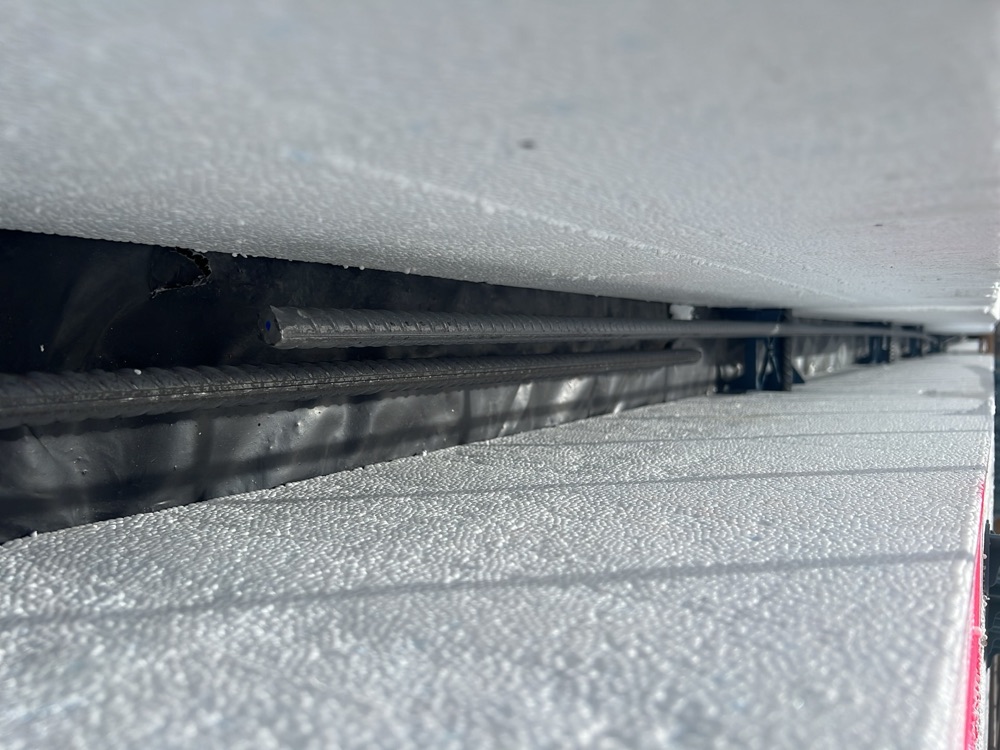
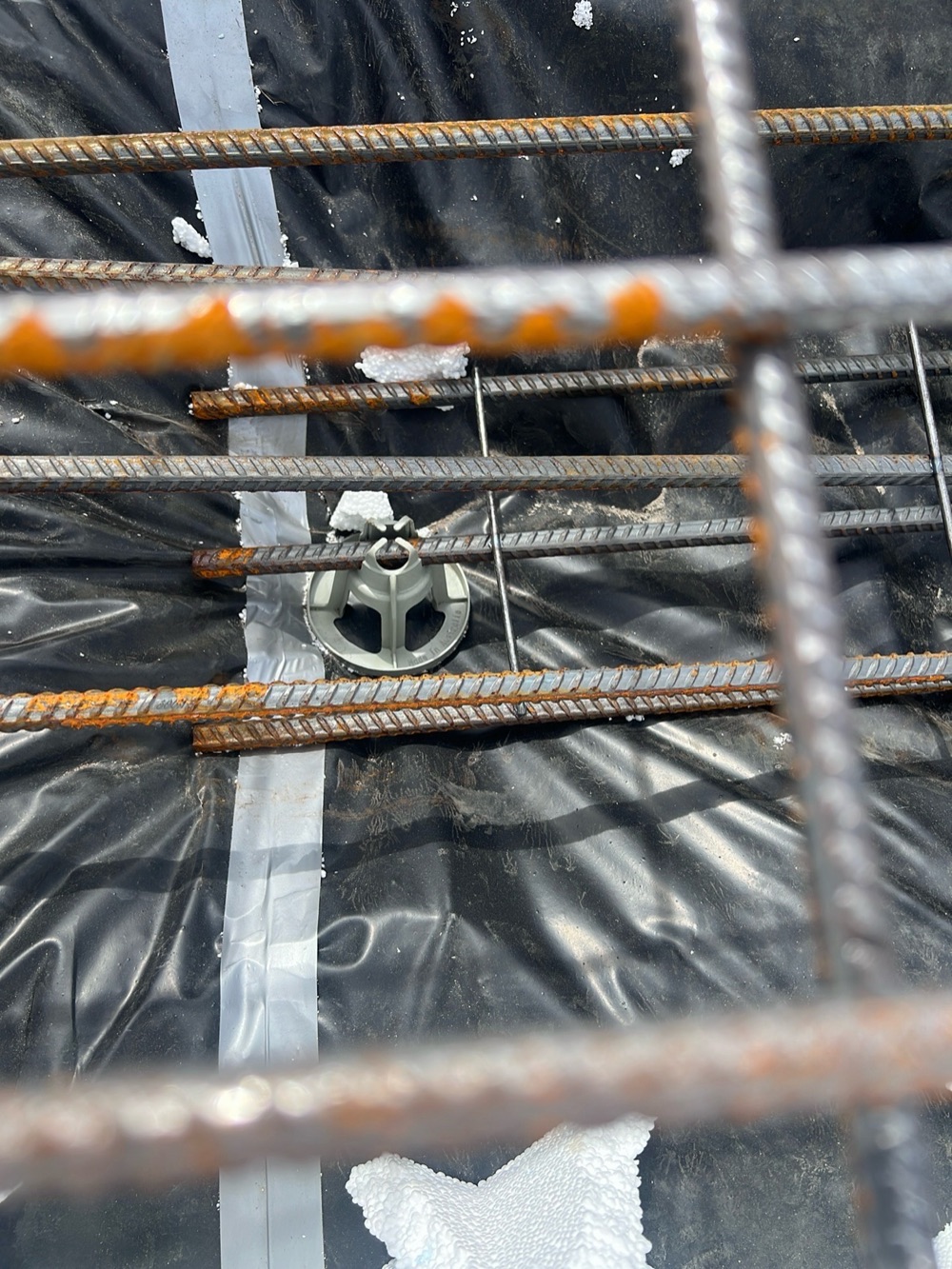 2Slab pre-pourThe day before the pour, while steel and pods are still open to view
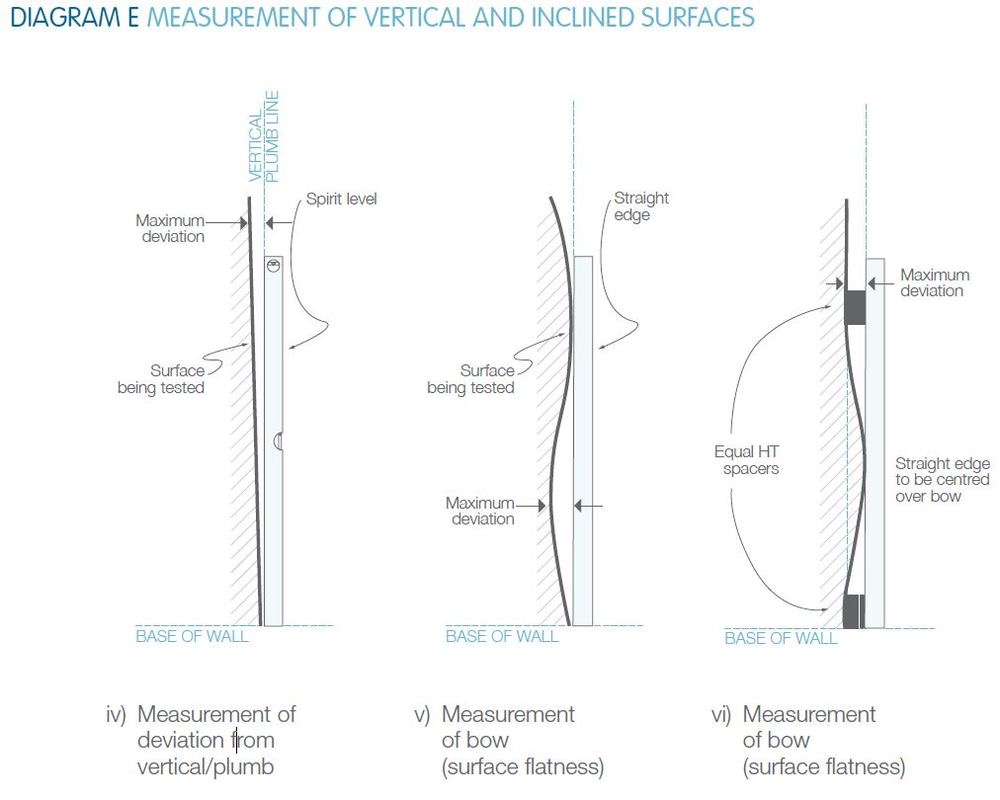 3FrameOnce the frame and roof trusses are up, before sarking and cladding
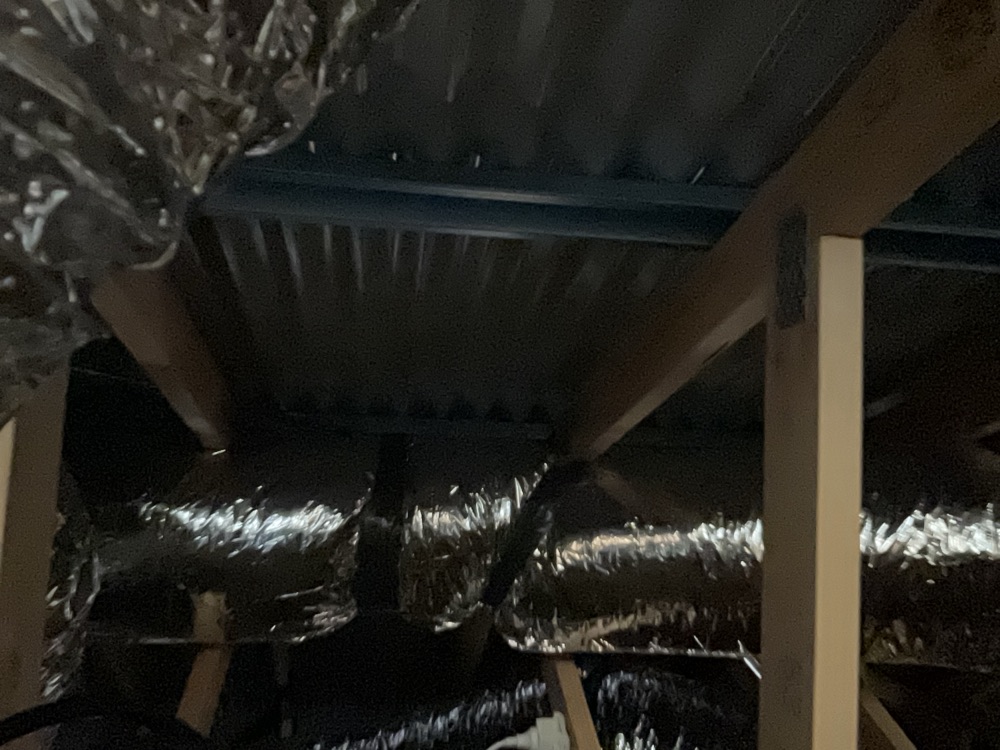 4Lock-up (pre-plaster)After cladding, roof and external doors, before plaster goes on
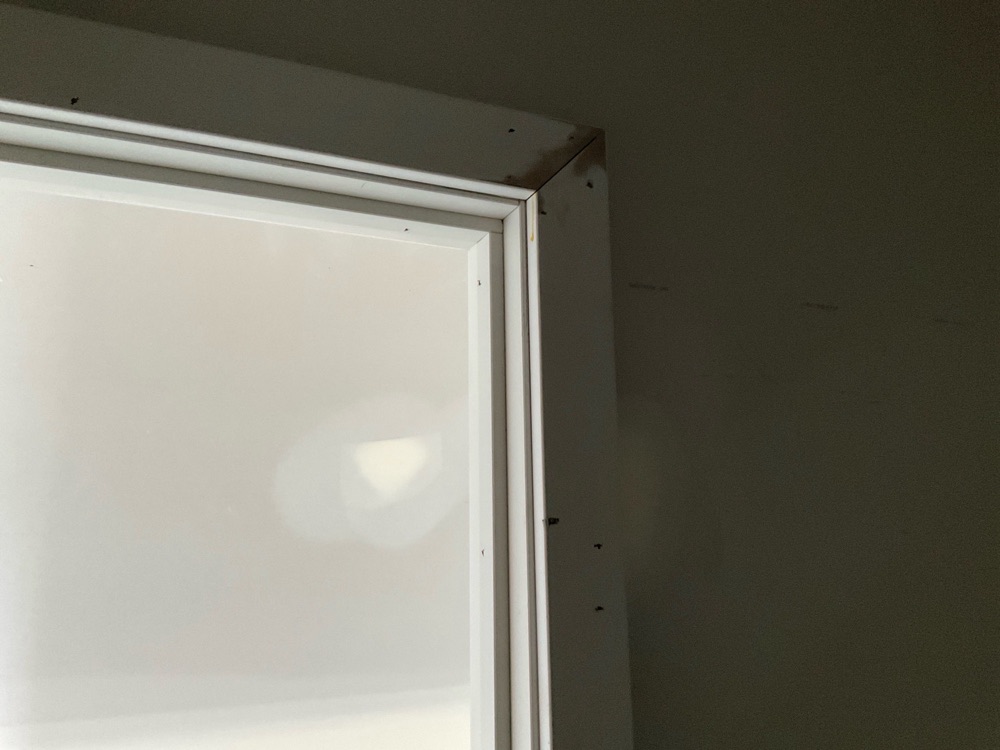 5FixingOnce skirtings, architraves, doors and joinery are in, before painting
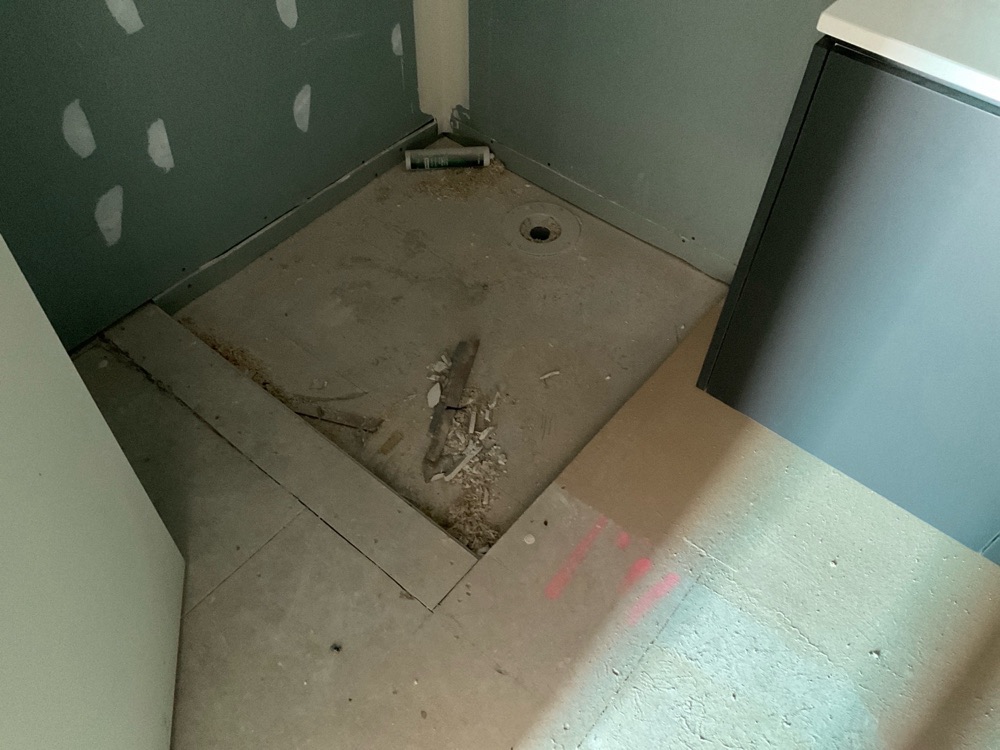 6WaterproofingAfter the membrane is applied, before any tile is laid over it
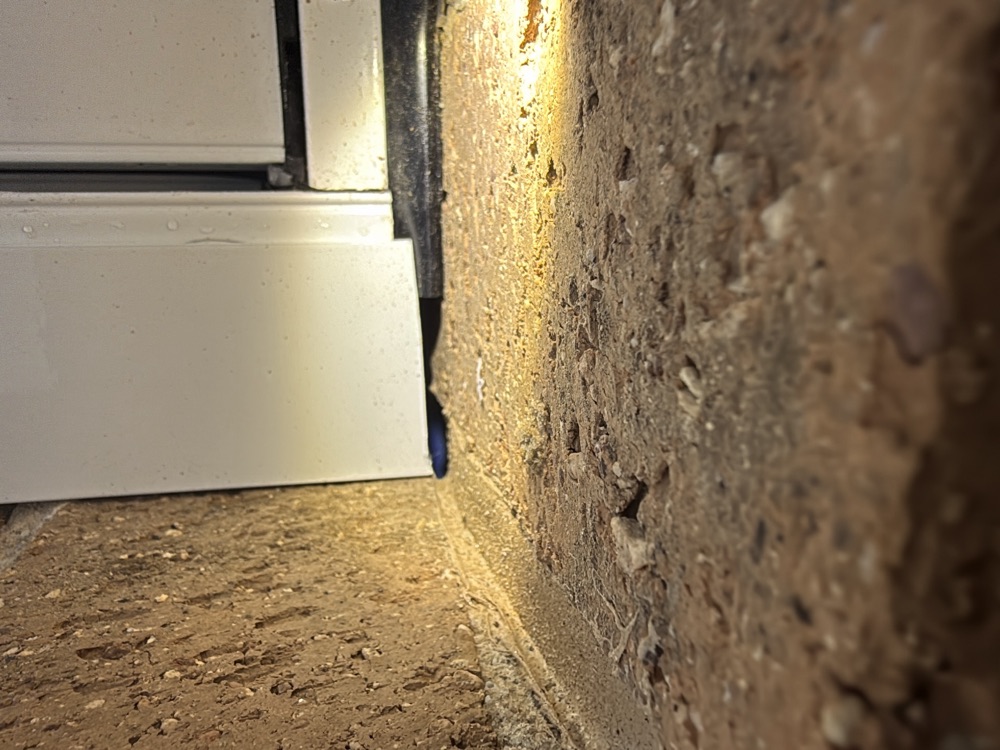 7Pre-handover (PCI)Before you sign at practical completion, ideally a week ahead
Instant online pricing, or talk to the booking team on 1300 471 805.
Under an hour on a typical residential site, and we attend on the day you tell us the holes are open.
Then they cannot be inspected. That is why this one is time critical and why we ask for as much notice as your builder can give.
No. We report what we observed against the engineering drawing. Certification is the engineer's role.
Only where the engineering calls for it. Many Clyde lots are a waffle raft slab with no piers at all.
Your engineer's drawing and AS 2870.
Yes, and it is a good one to attend because everything is visible and easy to point at.